
Maker Series: 05. Meet Camila Pardo, founder & designer of Oficio.
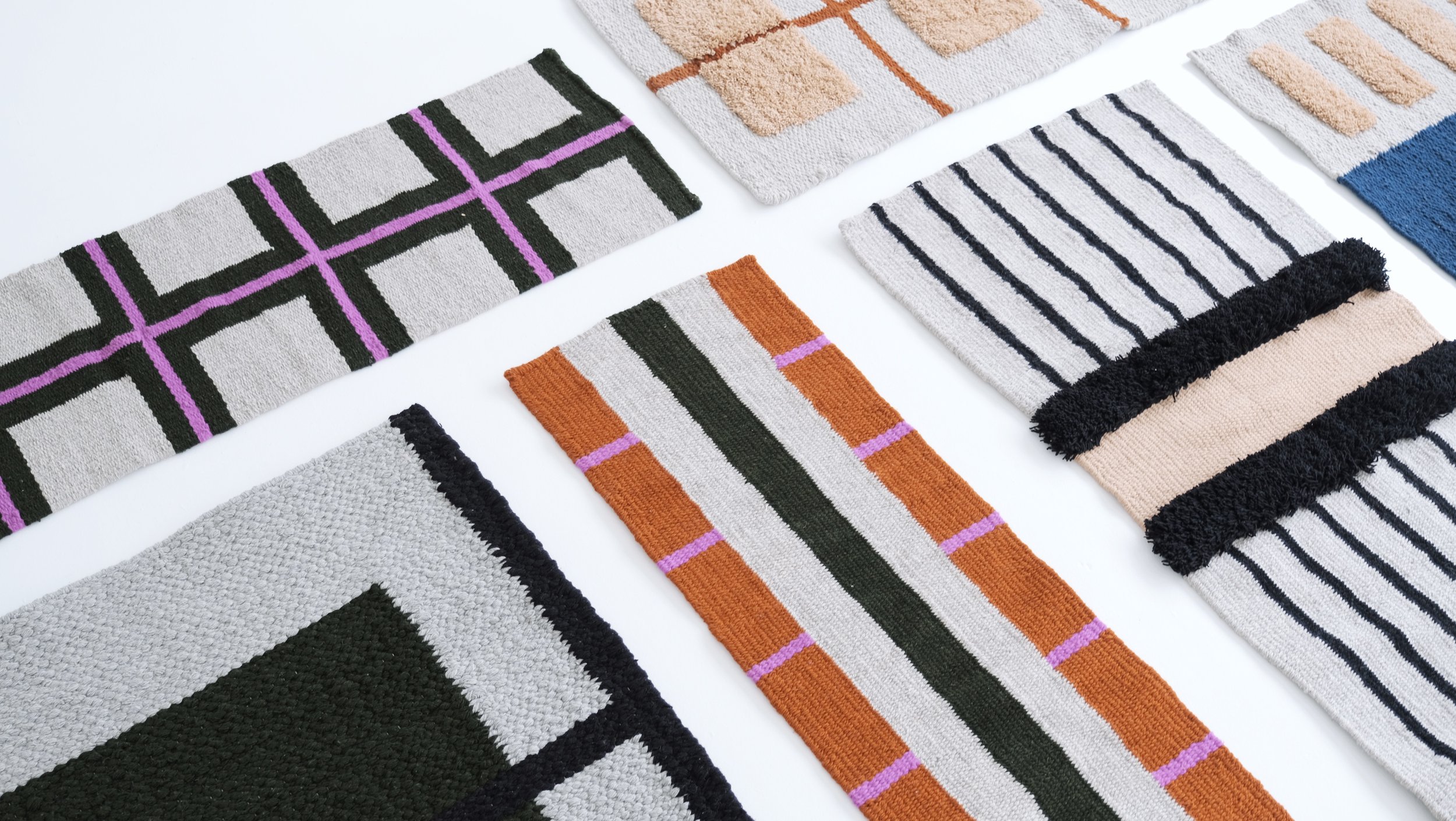
We are in lively Medellín, discussing with Camila, how Oficio emerged as a dialogue between tradition, local materials, and artisanal techniques to brings contemporary Colombian design forward.
To begin, could you introduce yourself and tell us about your work?
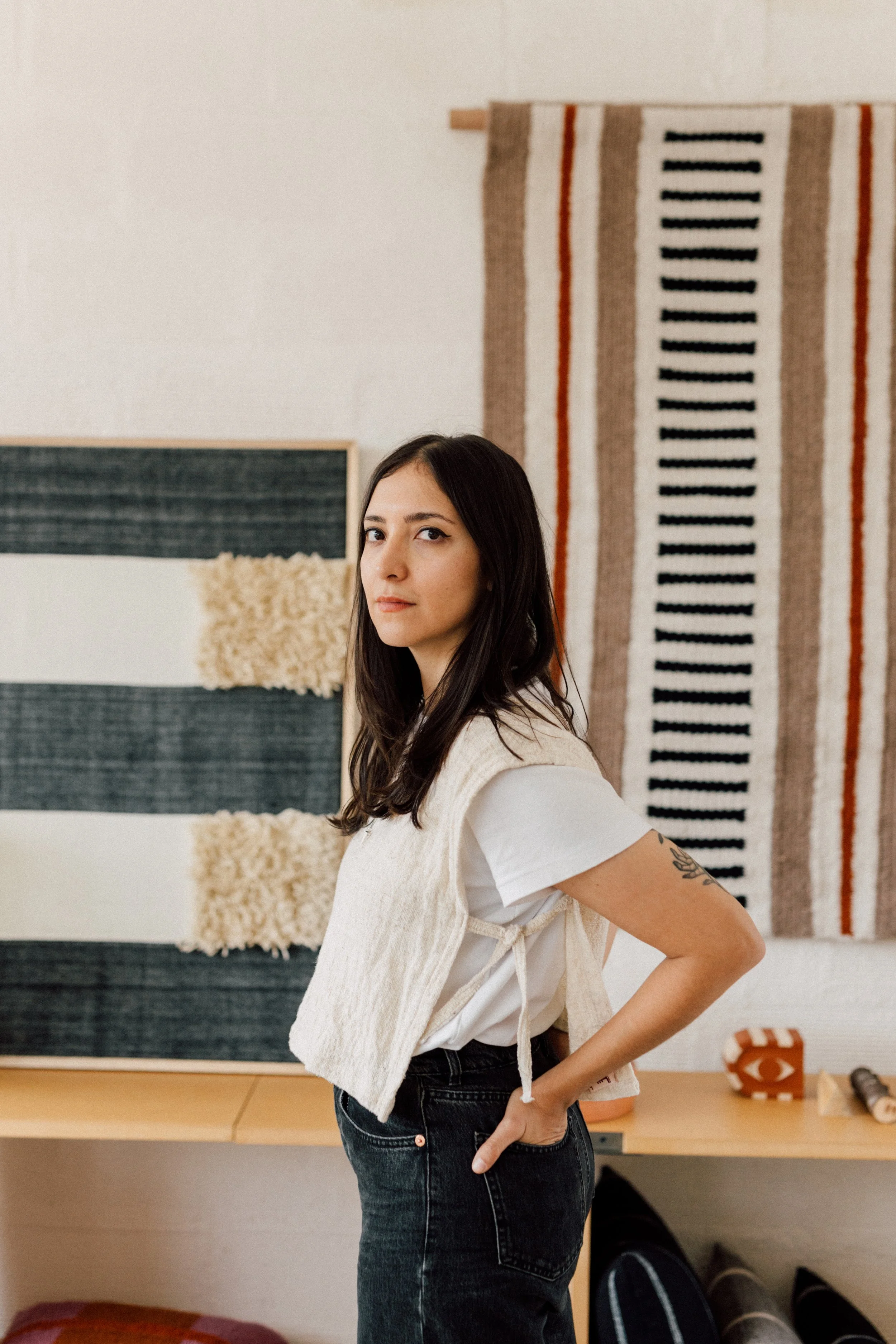
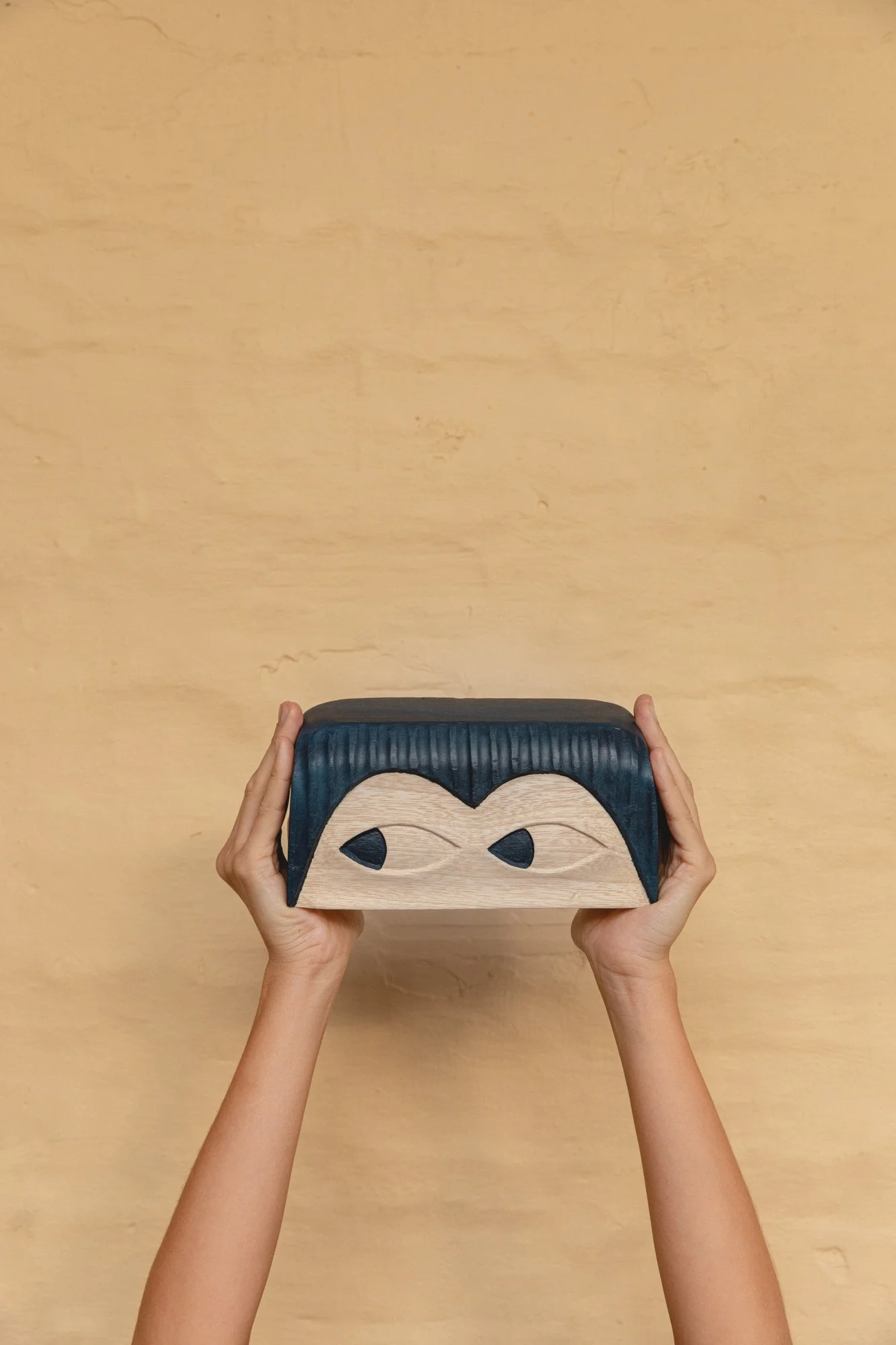
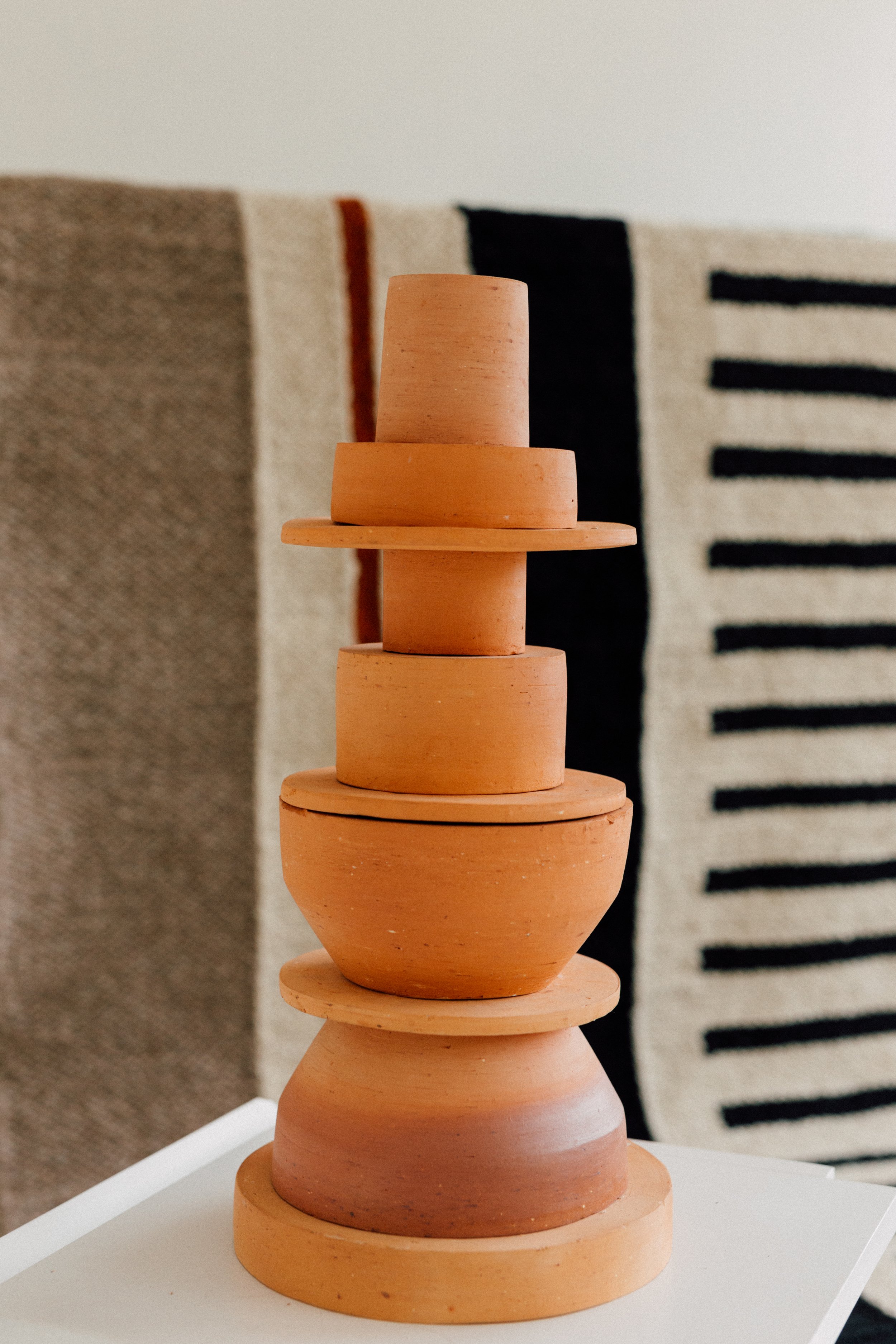
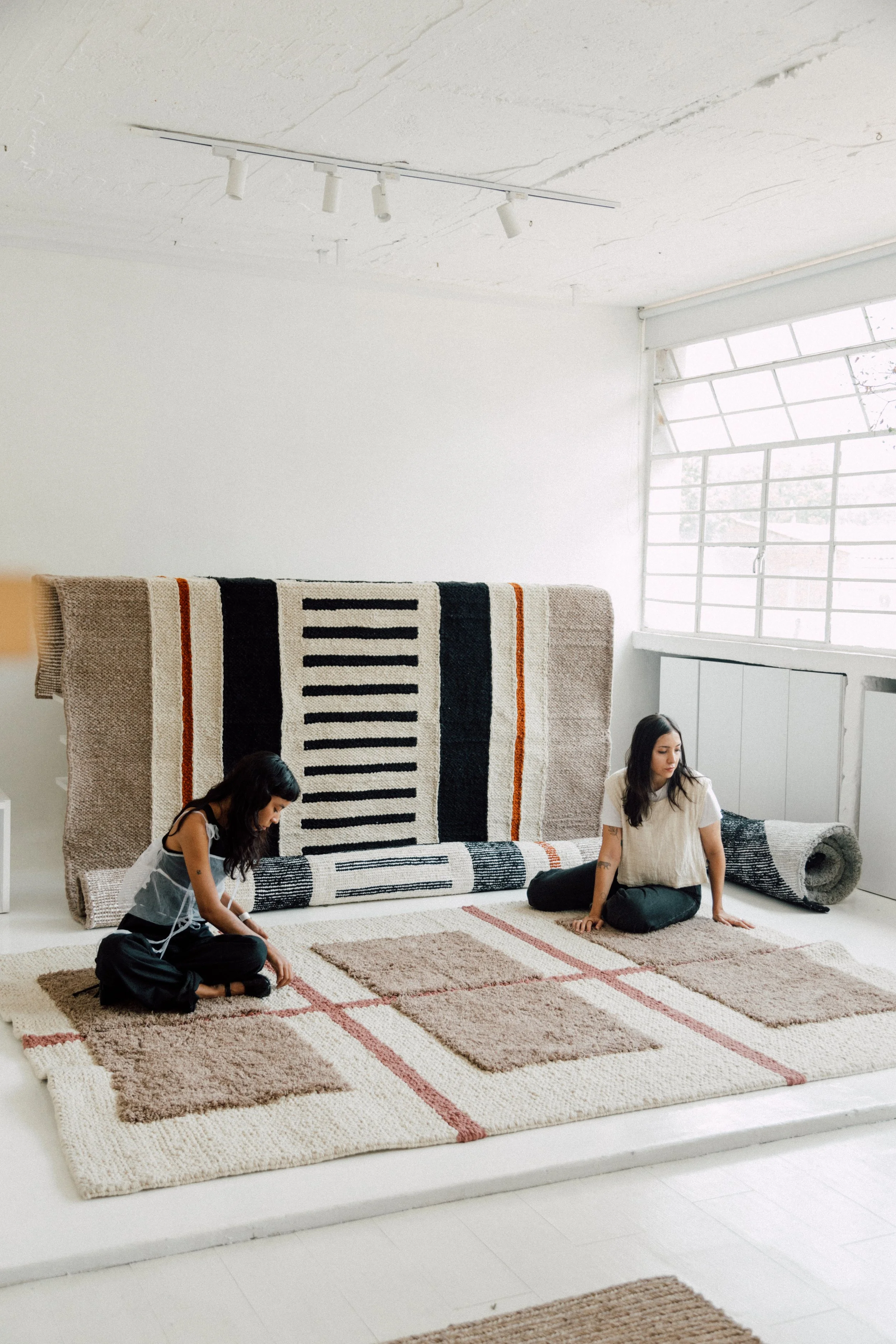
My name is Camila Pardo. I am a product designer specialising in furniture design. My projects are rooted in research and the making of pieces through manual techniques. Oficio is my personal project, born in 2018 as an exploration of artisanal processes through the creation of design objects.We are a design studio that works in collaboration with Colombian artisans, bringing to life pieces that emerge from a dialogue between tradition, local materials, and artisanal knowledge. My focus is on building lasting relationships with craftspeople, from a place of empathy and recognition of their expertise. I work hand in hand with communities in Boyacá, Cundinamarca, Santander, Putumayo, and Antioquia, exploring techniques such as weaving, pottery, and wood carving. Each project is an opportunity to learn, preserve, and reinterpret these crafts through an ethical and culturally respectful lens.Oficio celebrates colour, materiality, and the story behind each piece. My practice seeks to encourage conscious and sustainable production, where contemporary design intertwines with the deep roots of the handmade.
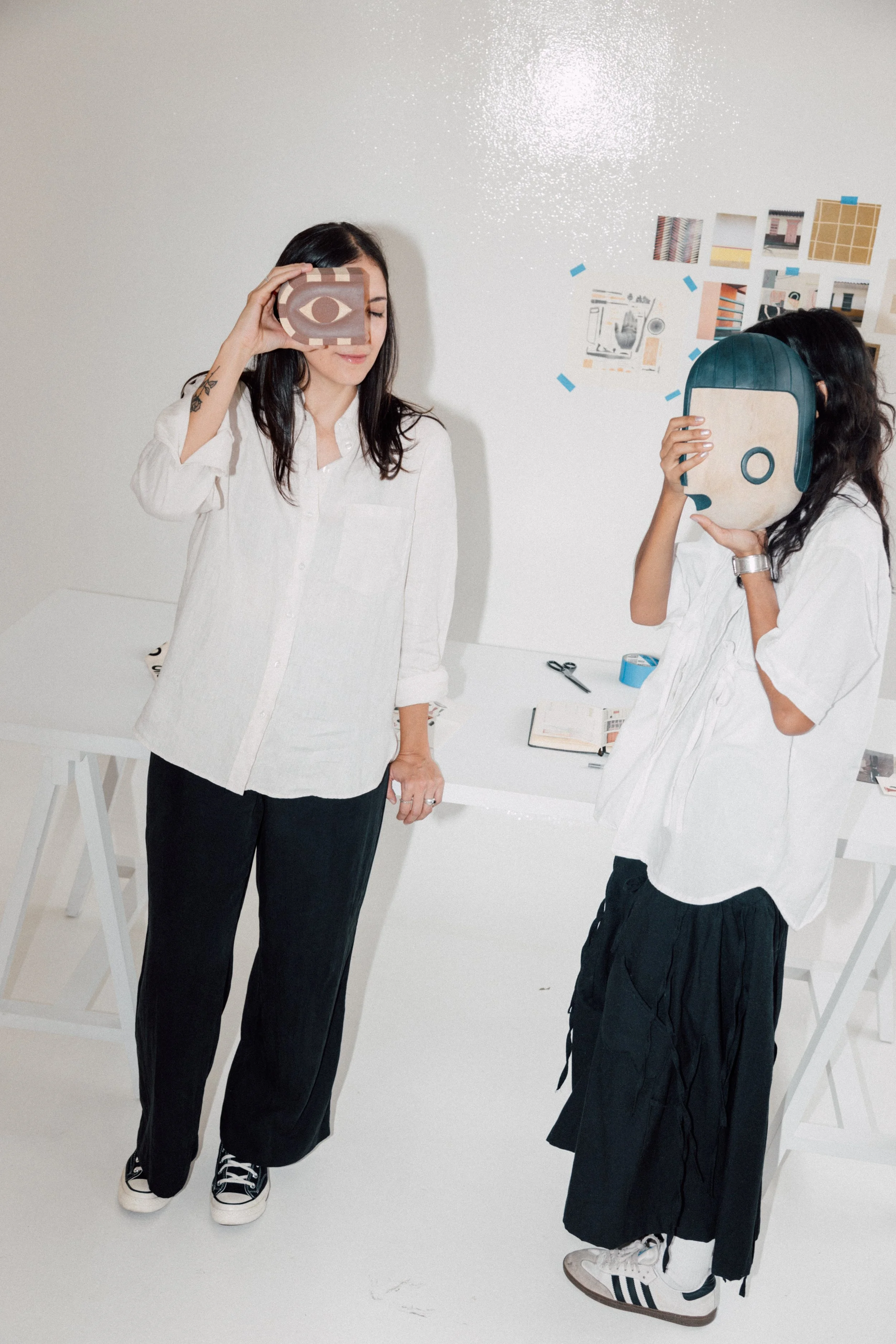
Could you walk us through your creative process, from the first spark of an idea to the finished piece? What tends to come first: the material, the form, or the story?
Generally, ideas arise from different starting points. Sometimes they begin with the material and the process itself: exploring new ways of working with it, generating textures and volumes.
They can also emerge from the stories behind a material or a community such as the cultural significance of a technique or the origins of its use.
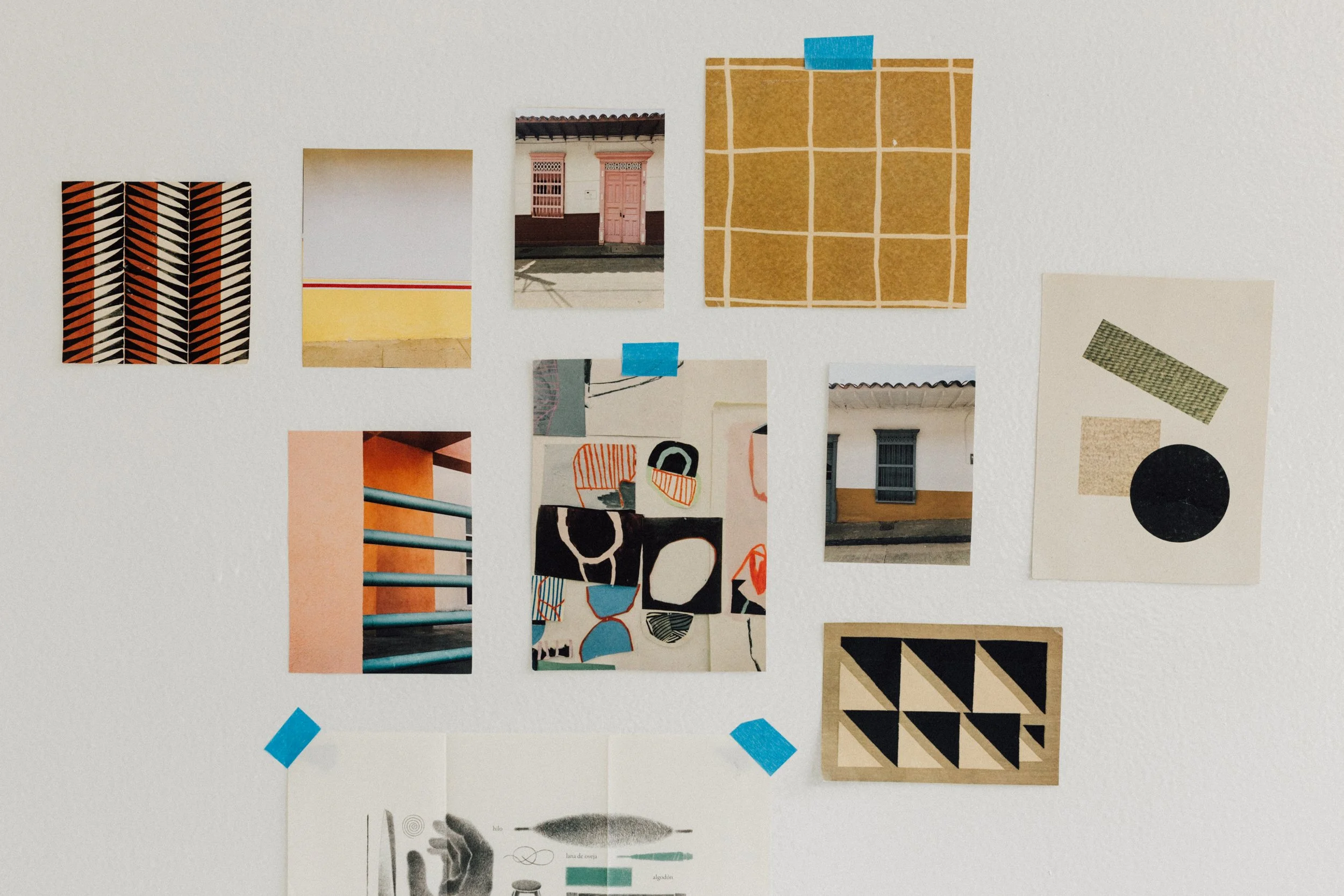
At other times, being a very visual person, I draw inspiration from landscapes, photography, colour, or art, and from there I build the vision for a piece.
How does Colombia influence your work? Are there specific landscapes, traditions, or everyday details that consistently shape your designs?
Colombia is always present in the pieces. At times, my work has drawn directly from the landscapes and territories surrounding the workshops, taking in colours, geometries and patterns especially in the textiles. In a broader sense, Colombia is implicit in every object: the pieces travel great distances from their place of origin, passing through workshops distributed from north to south. The presence of the territory and the hands that create them is part of each one. The landscape, the people, the vegetation, the customs, and even the food all influence the final result. The materials are always local: wool from small-scale producers, clay from the very soil where it is worked, fallen trees repurposed for artisanal ends. Everything comes from the land and the Colombian territory.
What role do materials play in your practice? Do you begin with what is locally available, or do the materials reveal themselves as the process unfolds?
Materials are fundamental to my practice; they are the element that defines the identity and form of each piece. When you encounter a piece by Oficio, you find texture: it is not a perfect surface. Each object is distinct, and that is because we work with materials of natural origin and through manual processes, where every hand leaves its mark.
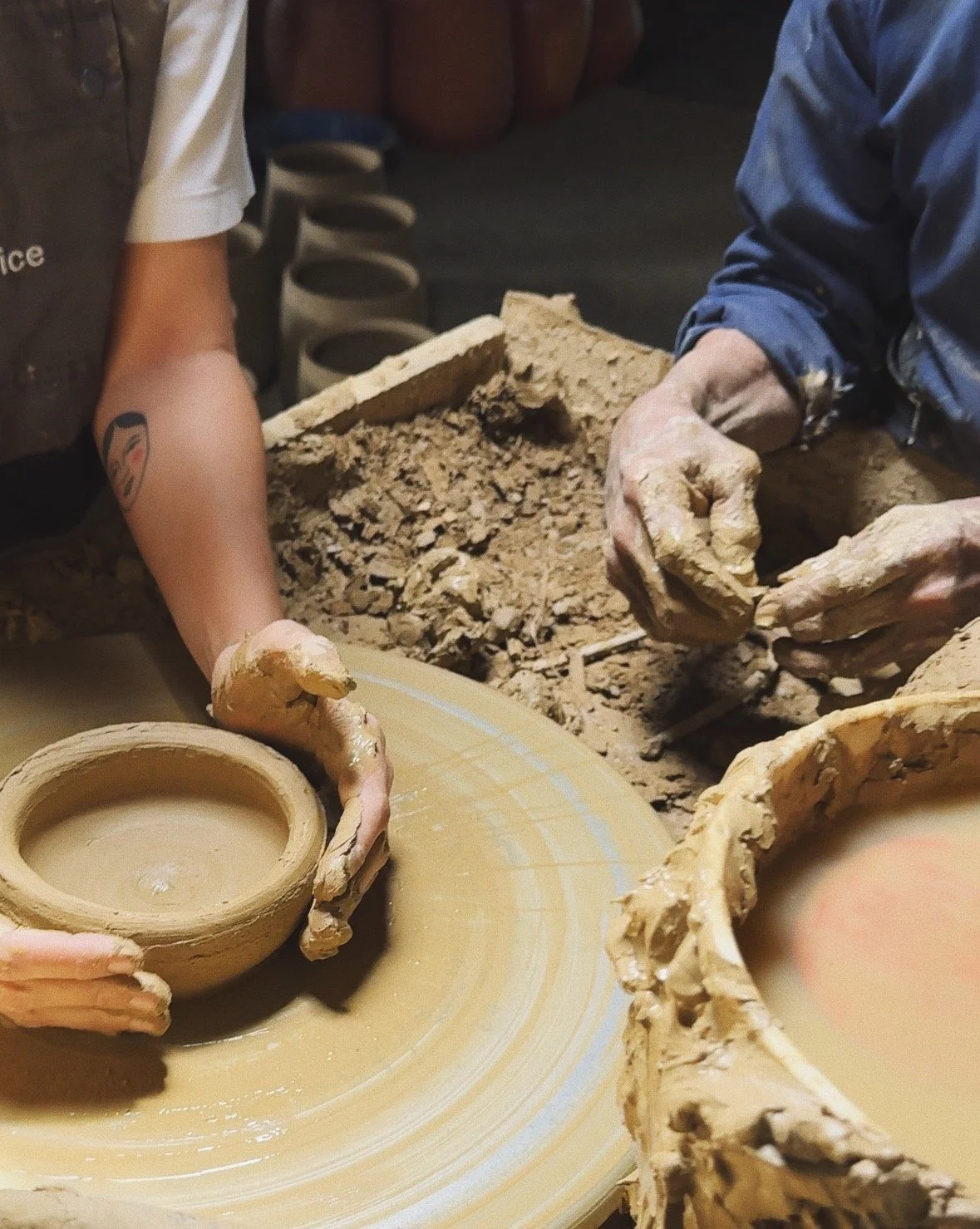
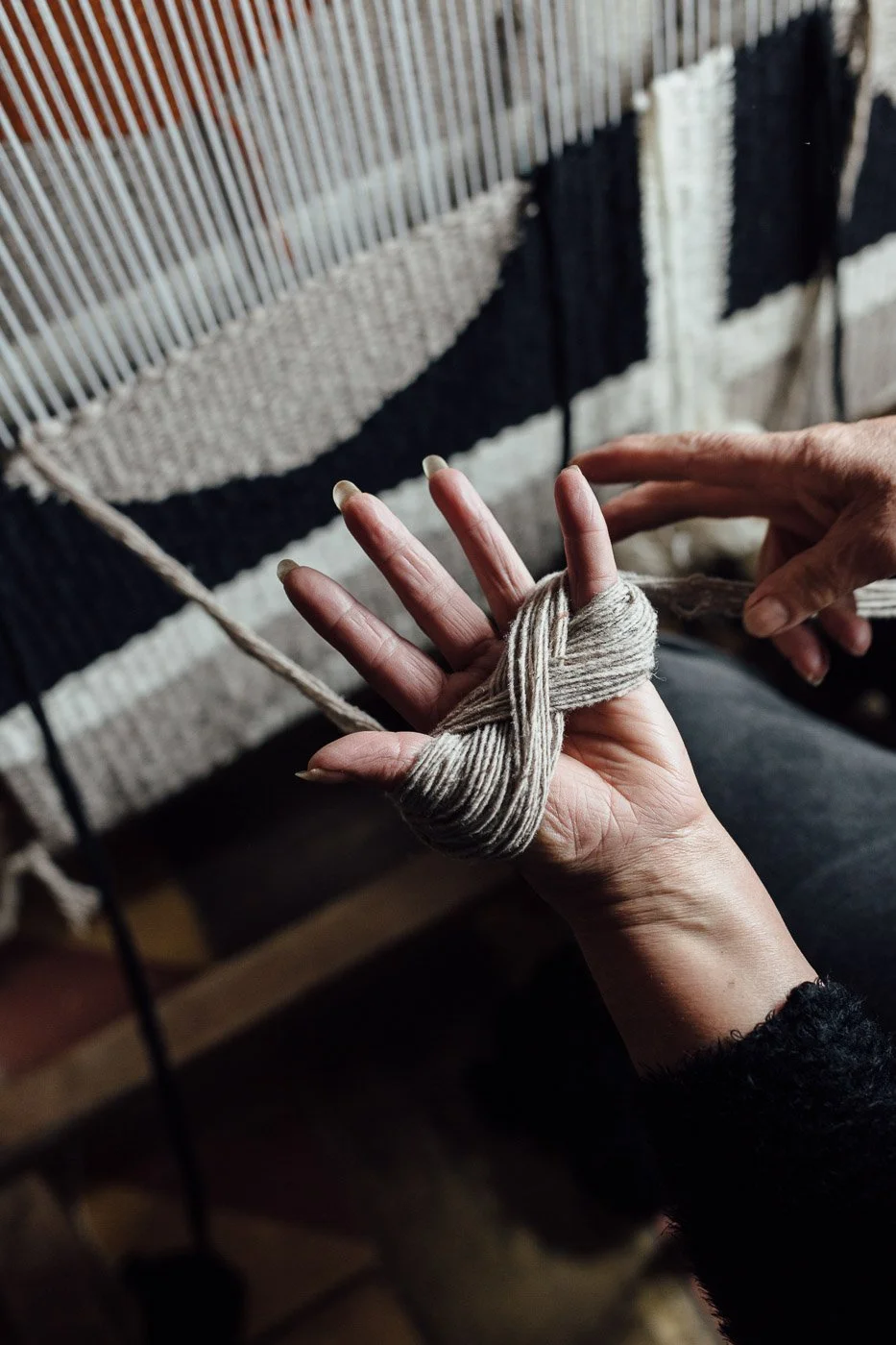
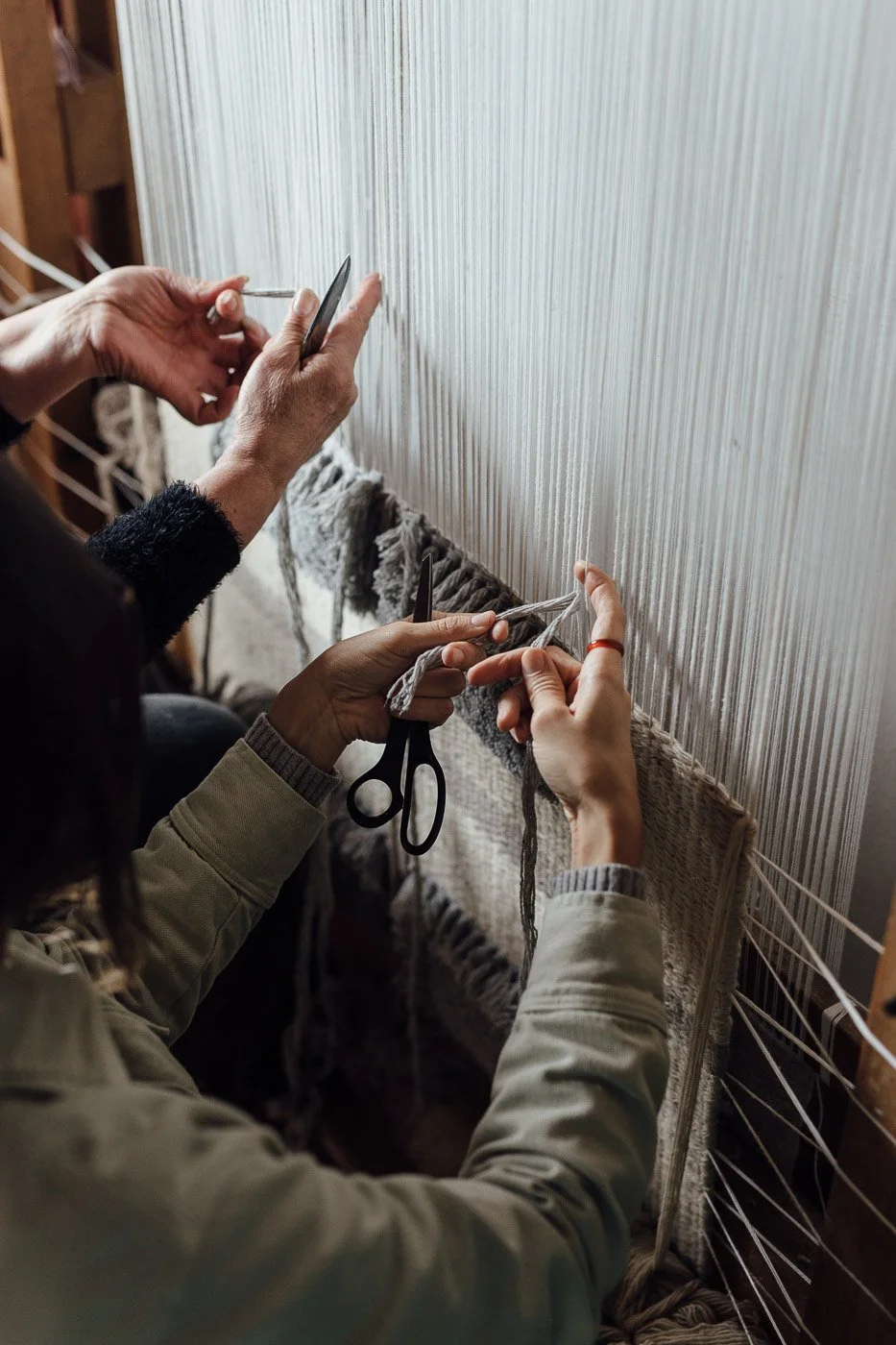
How do you balance experimentation with respect for traditional techniques and artisanal knowledge? At what point do you allow yourself to push boundaries, and when do you choose to preserve?
I have almost always sought to experiment by pushing techniques towards more defined geometries.
Whilst the material and technique bring a great deal of texture, the forms in Oficio tend to be simple and symmetrical. This presents a challenge for the artisans, as they traditionally work with more organic shapes. It is still greatly enriching: the artisans I collaborate with are highly creative and open to exploration. It is one of the most valuable parts of the process, witnessing how they manage to go beyond what they imagined was possible.
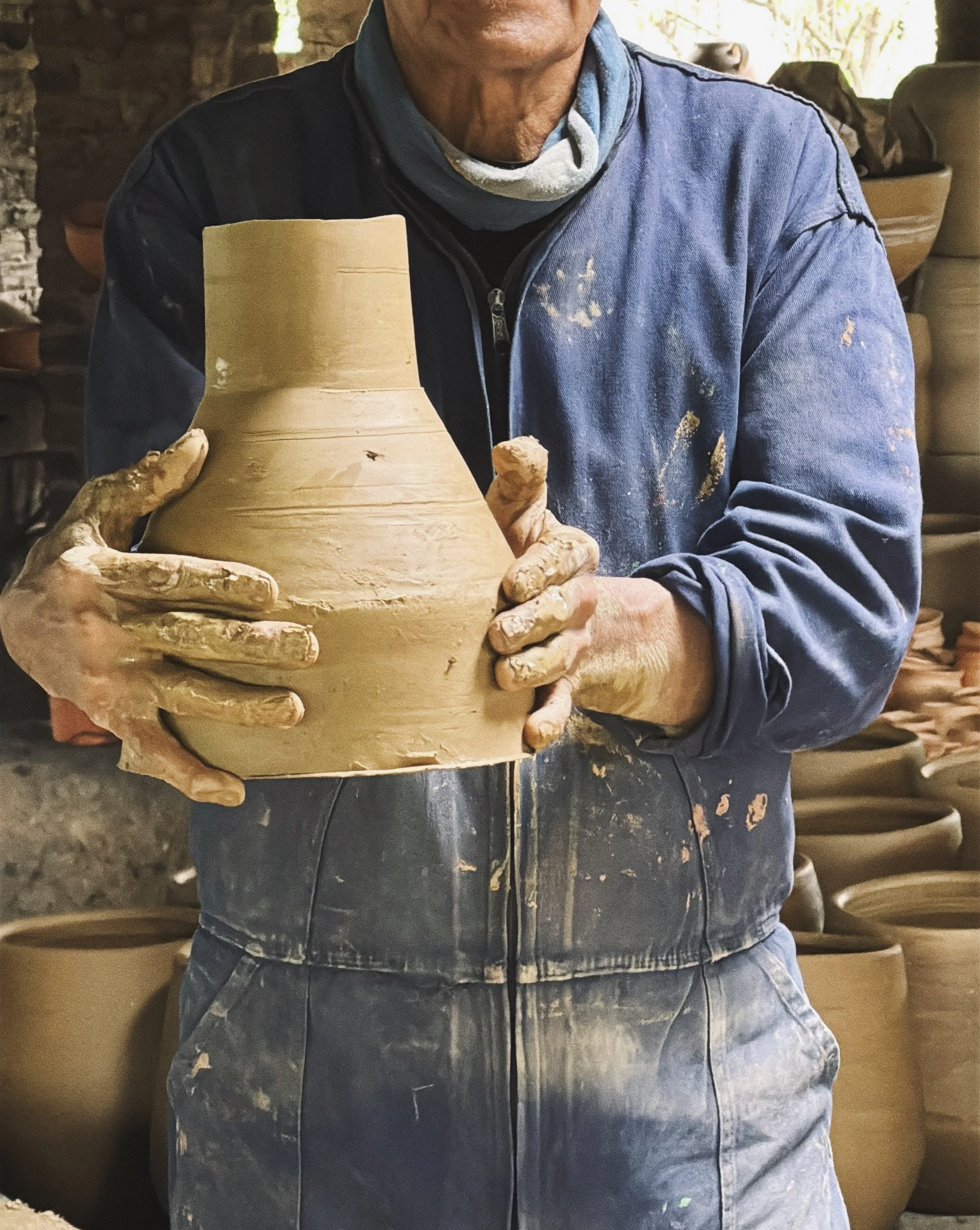
How do collaboration and dialogue — whether with artisans, suppliers, or other creatives — influence the final outcome of your work?
Collaboration and dialogue are everything. In artisanal design, it is not simply a matter of giving instructions. Everything is born from the relationship you build with the artisan: understanding their history, their background, why they began working in their craft and why they choose to continue today. What their family is like, what motivates them. I am interested in building from that place, because it allows for clearer, deeper, and more enriching collaborations for both parties. It also shows in the care and dedication they bring to each piece, striving for the very best result.
Time is often invisible to the final client. How important are slowness, repetition, and patience in your process, and how do you communicate that value?
Time is a key element. Everything made by hand requires time, and natural materials entail slow processes: drying, transformation, and maturation. This presents a challenge with the end client. Over the years, I have learnt to act as a bridge between the workshop’s timelines and the needs of the project. It is essential to communicate these timelines clearly, as that is where the value of the pieces resides. But it is equally important to honour commitments, so that projects remain sustainable and endure.
What would you like people to understand better about Colombian design and contemporary craft today?
I would like to highlight the importance of preserving these techniques at a time when everything moves so quickly: new products, new technologies, everything passes. Believing in slowness and intentional design matters.The fact that there are workshops continuing to work in this way is invaluable. Through design, we have the opportunity to make these processes visible, to bring them into new contexts, and to communicate the cultural weight contained within each piece. It is also a way of dignifying these crafts: beyond the knowledge they carry, they are livelihoods that deserve respect, recognition, and continuity.
Could you recommend three Colombian brands you love?
Pergamino Café, Fango Studio and Loto del Sur are my 3 recommendations.
Where do you find inspiration in Medellín?
Walking around Medellin Modern Art MuseumMAMM, The Botanical GardenJardín BotánicoMedellín, and also more traditional shops and neighbourhoods like el centro, Bélen and Laureles. I also enjoy visiting the Biblioteca Pública Piloto.
For those who don’t know Medellín, could you recommend three unmissable places to experience the culture?
The Museo de Antioquia and Plaza Botero are a must. So is Salón Málaga. And again passing through the Jardín Botánico (link above) and visiting the MAMM (link above) and its surroundings should be on your list.
What are you currently exploring?
Techniques beyond weaving, such as stone carving, woodwork, and larger-scale pieces.
Photography by Yohan Lopez. Visit Oficio at oficio.com.co and on Instagram at @oficio.oficio
