
Maker Series: 02. Meet Astrid Diehl, founder of Cada Estudio & Cada Objeto.
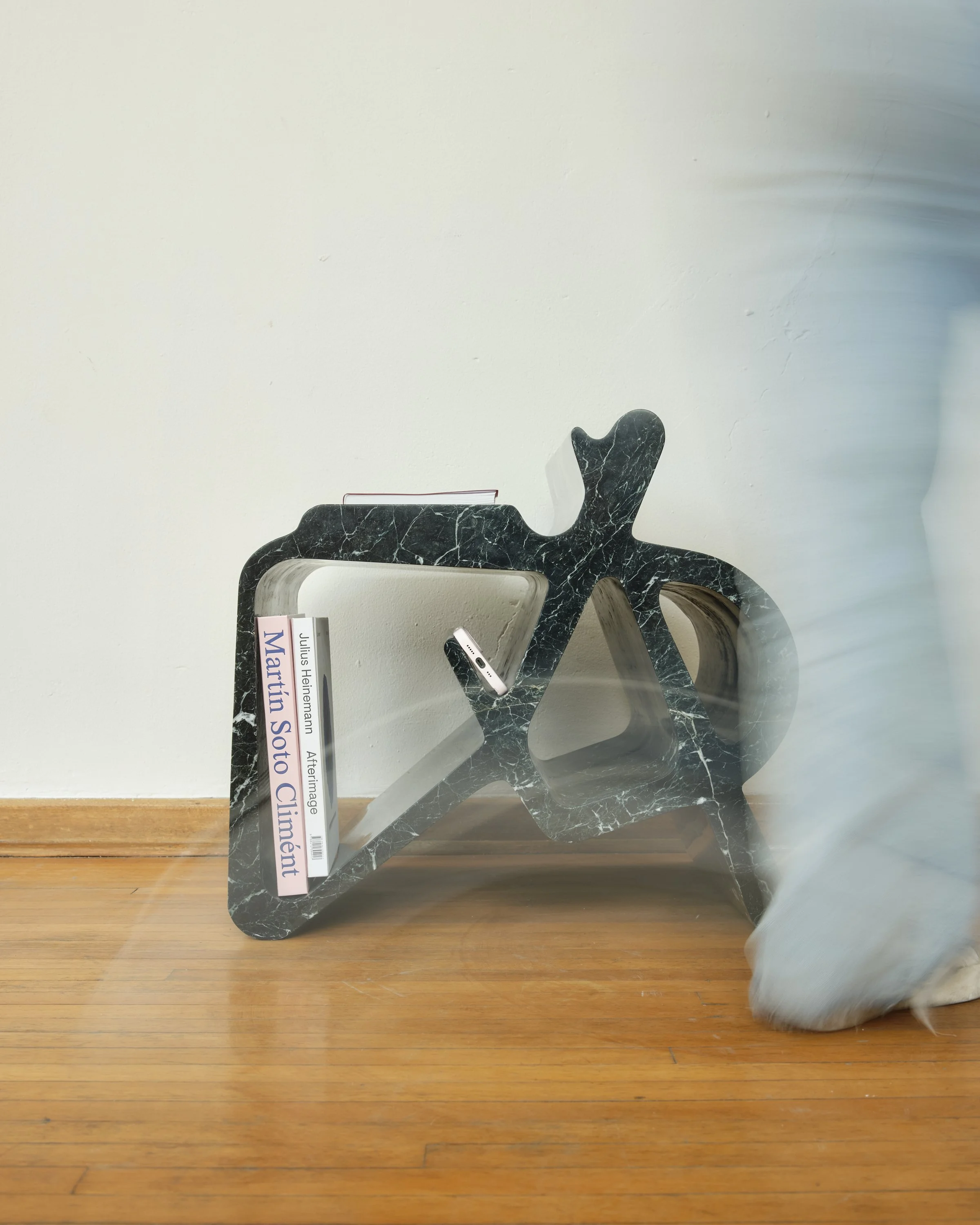
We meet with Astrid Diehl, founder of Cada Estudio, a design studio in Mexico City working across architecture, interiors, and objects.
First, can you introduce yourself and your work?
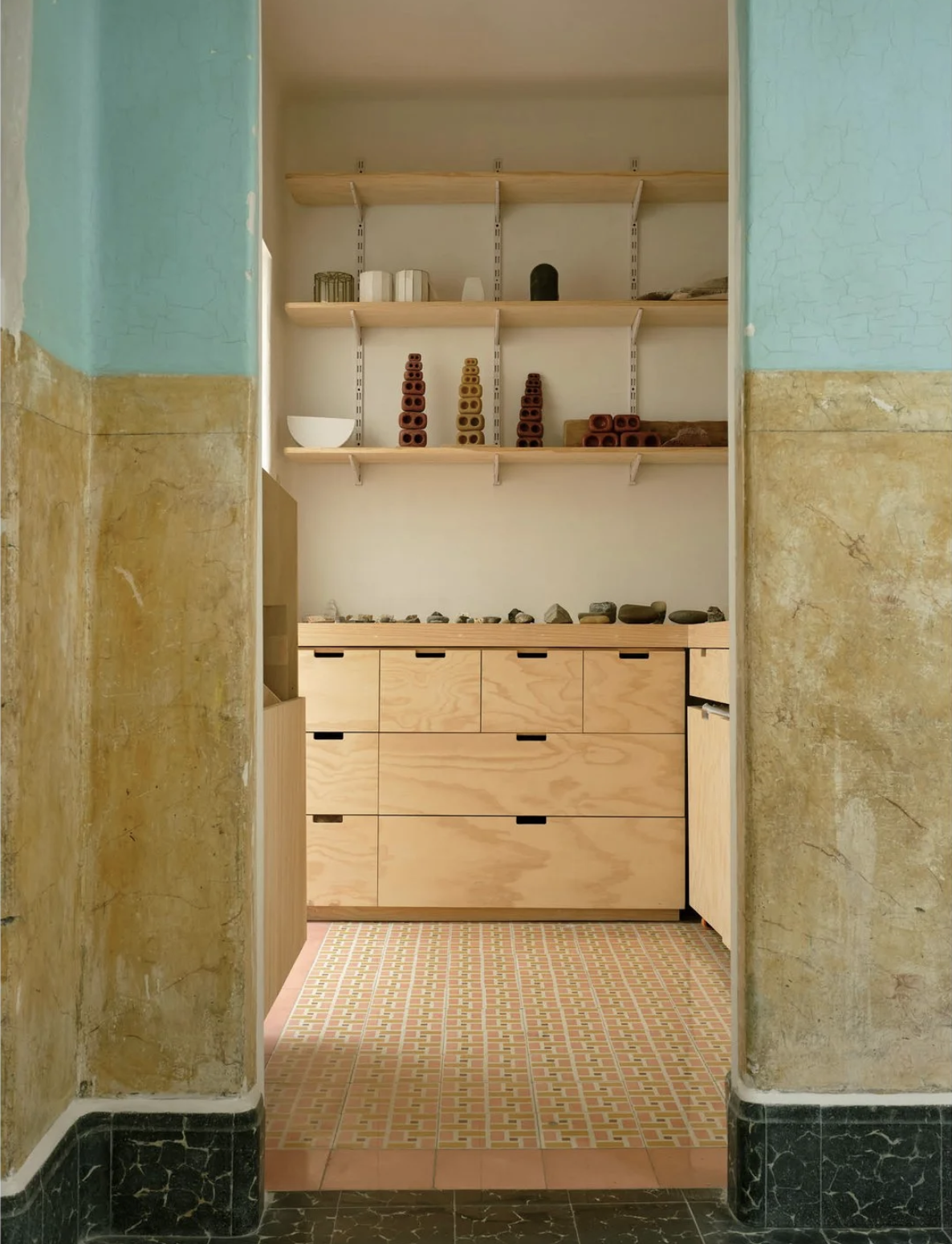
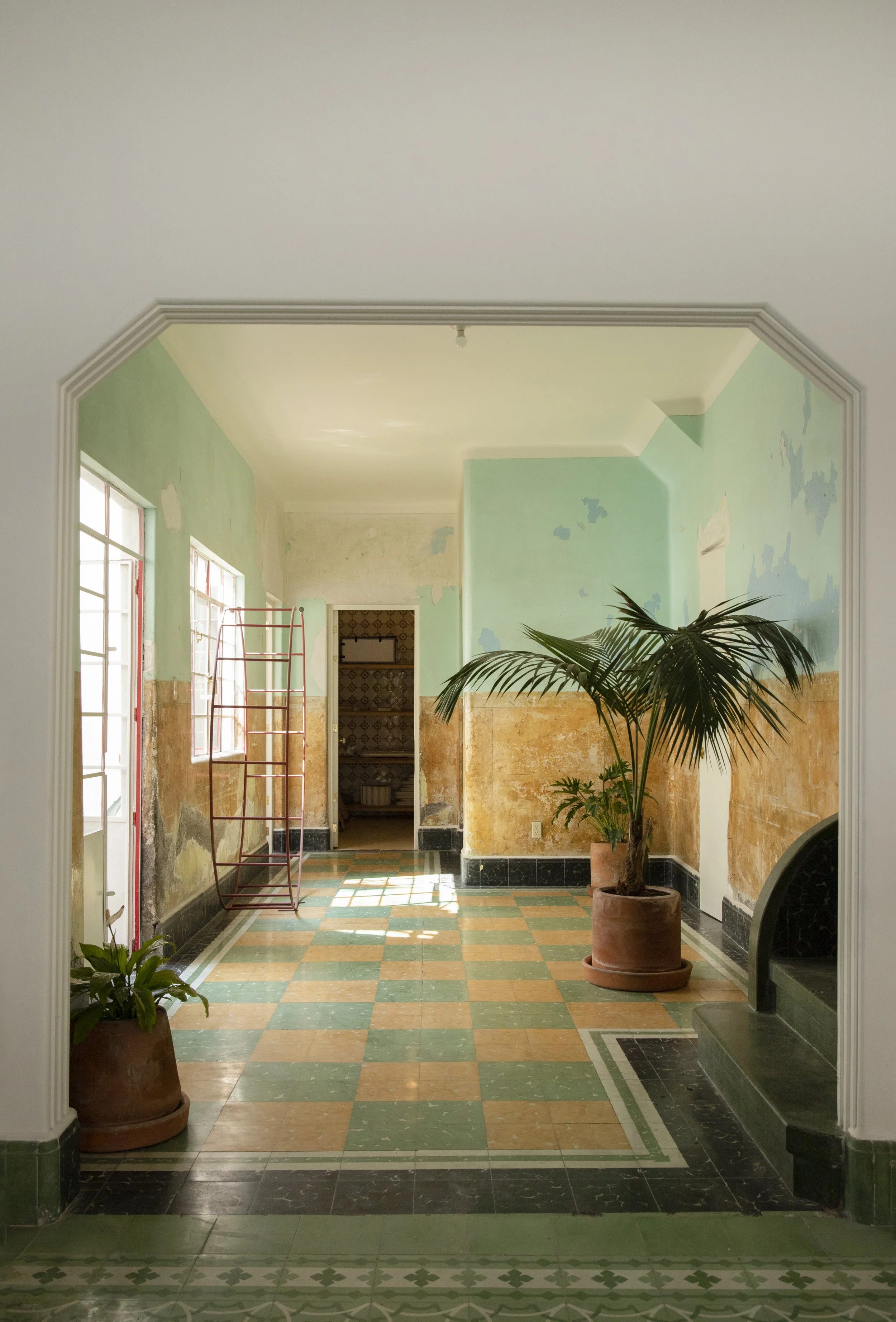
We are space makers and scenographers of the routine. Our approach is to choreograph experiences: emphasizing mise en scène over static images whether through a garden, a house, or an object. We craft environments to make our clients’ routines a little more than ordinary, with an emphasis on interactions: with others, and with objects.
The studio is set up as a flexible armature for collaboration - an entity that gathers talents and savoir-faire, fosters ideas, and encourages cross-pollination to solve problems through creative solutions. It was very important to me that it didn’t carry my name. Cada Estudio celebrates multiple voices, not just my own.
I’m Astrid Diehl, founder of Cada Estudio. Born in France, I studied architecture in Paris - with a year abroad in Porto - before completing a second master’s degree in Landscape Architecture at UC Berkeley. After twelve years in Los Angeles, I moved to Mexico City, where I co-founded Wrinkle MX before eventually establishing Cada Estudio as my own independent practice.
When I started the studio, three ideas guided me.
The first was a commitment to context and to making design both meaningful and accessible. Our work seeks to amplify local materials and savoir-faire, to do more with less, and to create spaces and objects that are inclusive, thoughtful, and at times gently provocative. This ethos is deeply personal. I grew up spending vacations at Les Arcs, surrounded by Charlotte Perriand’s visionary project: intelligent apartments designed with precision and generosity, where flexibility, modularity, and beauty coexisted. Conceived for real life, crafted by local makers, executed with extraordinary care. Perriand became my hero. She embodied a belief I hold strongly: that design should be for everyone. Budget, rather than a constraint, can be one of the most powerful catalysts for creativity.
The second was working across scales. With a dual background in architecture and landscape architecture, and an enduring interest in furniture and object design, I wanted the practice to move freely between dimensions. For me, small and large are not separate worlds - they inform each other. I don’t think of scale as a limitation, but rather as an invitation to explore space-making, proportion, and the emotions that everyday environments can generate.
The third was that the process itself should be exhilarating. Designing spaces and objects for others is an extraordinary privilege. As a child, I imagined becoming a doctor; in some ways, I feel design allows me to care for people differently: by shaping the environments they inhabit. I’ve learned to choose projects and clients that invite curiosity and exploration, and to challenge the brief when necessary. Collaboration with designers and makers is central to our approach. Cross-pollination is often where the most meaningful ideas emerge. We are conductors of a large orchestra, and that is something I cherish every day.
Cada Estudio exists in an interesting paradox. The practice is still young, labeled “emerging” by some, yet my professional journey spans two decades across large corporate firms and smaller studios alike. That duality brings a sense of maturity, but also the quiet pressure of time and a constant awareness that a studio must always be evolving. Part of me wishes I had started earlier; another part recognizes that experience has given me clarity, resilience, and a sharper understanding of what I value and what I choose not to replicate.
Cada Estudio is, ultimately, a lifelong aspiration taking shape. I continue to learn every day, drawing from experiences across countries, disciplines, and ways of working.
The studio is both a continuation and a beginning — a practice rooted in community, attentive to how people inhabit space, and committed to creating environments that truly belong to their place.
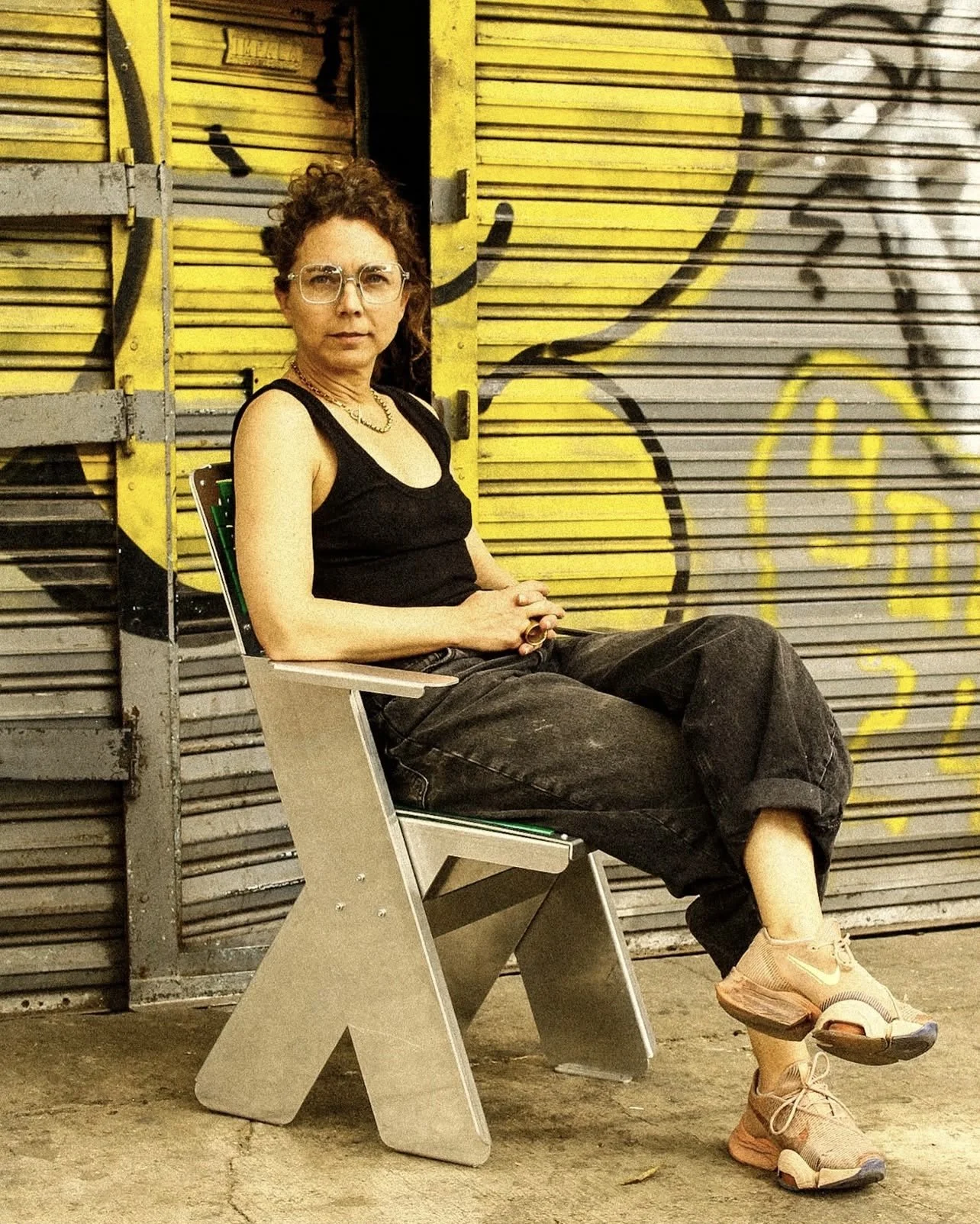
Can you walk us through your creative process — from the first spark of an idea to a finished piece? What usually comes first: material, form, or story?
I named the studio “Cada” to reflect a core belief in my creative process: every project is different, with its own logic, constraints, and discoveries. Ideas can emerge from anywhere: a conversation with a maker, a new savoir-faire, research into the history of a place, a brief distilled to its essence, or a story waiting to be revealed.
We don’t follow a fixed formula. While that can be challenging from an operational standpoint — there’s no recipe to repeat — it keeps the work alive and exhilarating. Regardless of where inspiration begins, each project moves through rigorous exploration: drawing, testing, prototyping, maquettes, and whatever tools help us examine ideas before they reach production.
One thing I firmly believe is that there is no such thing as a blank-canvas start. There is always context: the site and its genius loci, cultural memory, design history. In a world often obsessed with erasing and starting “from scratch,” we value layering instead: adding, subtracting, and editing with intention. Our goal is not a perfect image, but the careful curation of an experience.
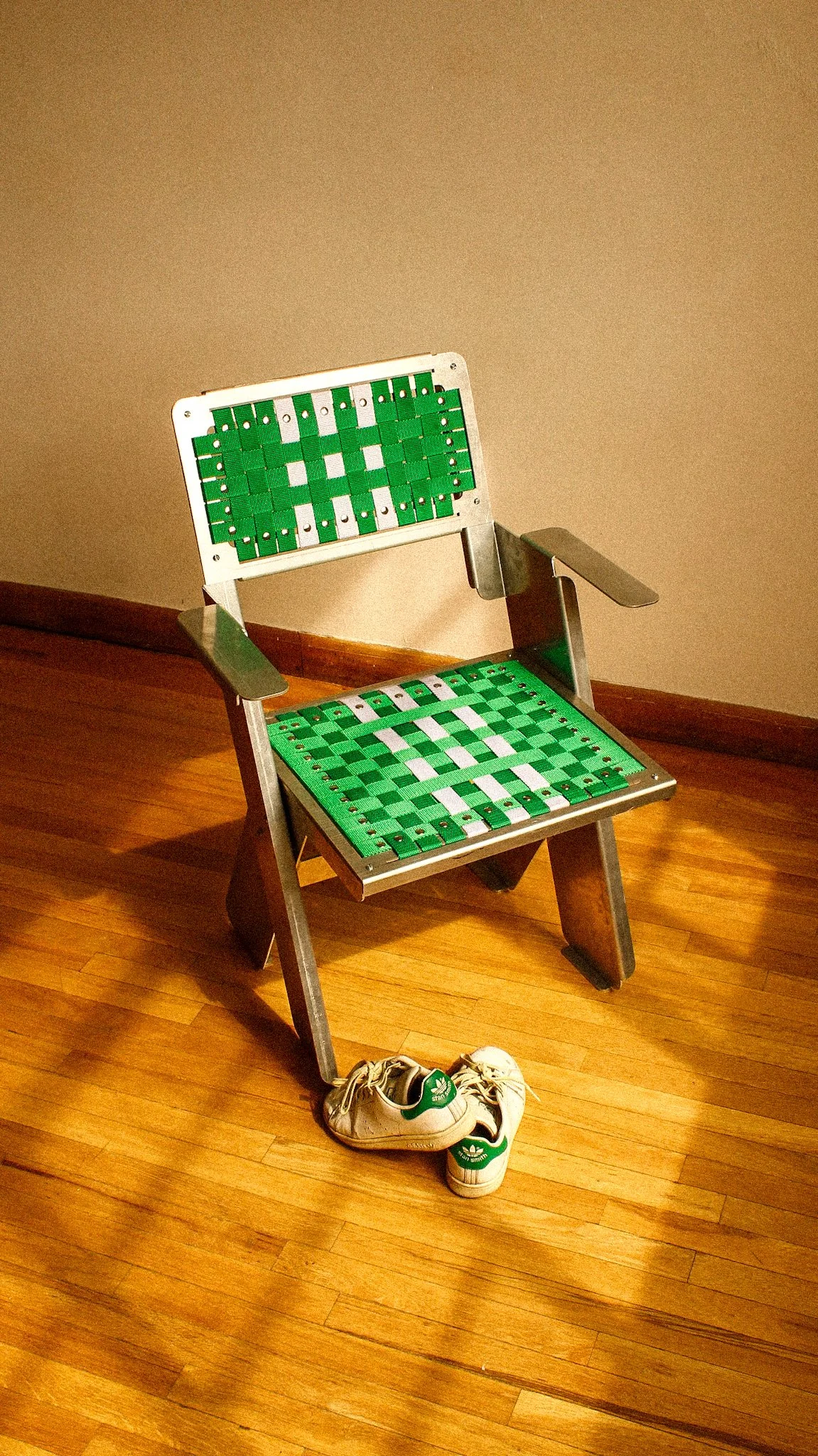
How does Mexico shape your work? Are there specific landscapes, traditions, or everyday details that consistently influence your designs?
Mexico has influenced my work in ways that are both subtle and profound. It’s a country shaped by successive civilizations and cultural shifts, yet those histories aren’t erased. They coexist. It often feels like living inside a palimpsest. Having lived and worked in different places, I feel a natural resonance here. Mexico seems comfortable with complexity, contradiction, and layering and perhaps that’s why my own background feels at home.
What moves me constantly is the relationship to materiality and scale. There’s an ease with monumentality and intimacy existing side by side, for instance stone understood at the scale of a pyramid and at the scale of something you hold in your hand. That awareness has deepened my sensitivity to the emotional dimension of space. I’m often breathtaken here. It doesn’t just “work,” it takes you somewhere.
On a day-to-day basis, I’m fascinated by the dialogue between canonical histories architecture, art, graphic design - and what I think of as a facteur Cheval effect: the incredibly spontaneous and intuitive acts of making you see everywhere. This coexistence feels liberating. It is a culture that is profoundly people-centric: less concerned with being “in the book,” and more with creating, adapting, and building from what is available. Homemade solutions, improvised constructions, everyday ingenuity, these gestures carry an authenticity that I find both moving and inspiring.
Perhaps this speaks to something personal. I grew up navigating between the formal and the informal in Paris, and I have always loved that dichotomy. Mexico embodies it beautifully.
The landscapes, the density of urban layers, the informality of daily life, and the constant interplay between history and improvisation continuously feed my work. Everyday observations of joyful vernacular pragmatism are as influential as grand references. Mexico is a place where ingenuity and poetry coexist naturally.
What resonates with me most is the idea that luxury can emerge from authenticity rather than money. Mexico has reinforced my belief that design is not about imposing form, but about reading context - cultural, climatic, social - and curating experiences that feel grounded and generous, no matter the budget.
What role do materials play in your practice? Do you begin with what’s locally available, or do materials reveal themselves along the way?
Materials are central - very often, they’re where a project begins.
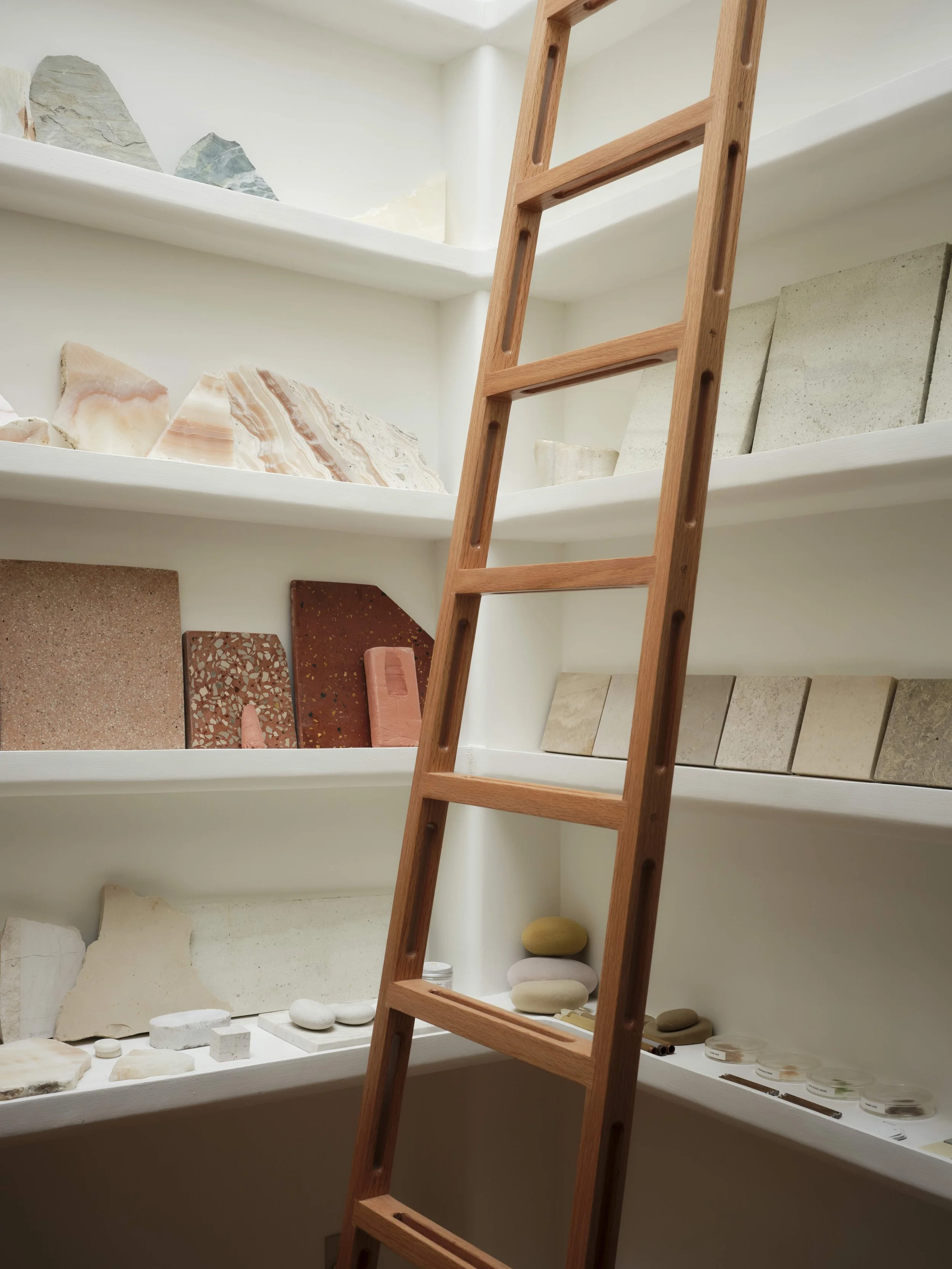
We tend to start from what’s locally available. Not as a limitation, but as a way of grounding the work in its context. Materials here carry history, geography, memory.
Mexico has sharpened my sensitivity to matter: the weight of stone, the warmth of clay, the tactility of woven fibers. There’s a richness and honesty to materials that constantly informs how we design.
Working here has also introduced a remarkable sense of freedom. The spirit of sí se puede permeates the creative process, an openness to experimentation, to testing ideas, to pushing technical boundaries through collaboration with fabricators and artisans. Compared to more rigid production environments, this willingness to explore fosters unexpected solutions. One of our own sayings in the studio is “CADA - Challenge All Design Assumptions.”
So we start with materials and explore their possibilities. Why not work with a local boulder and turn it into a staircase or a headboard? But learning to “tame” a material is a years-long journey, through mock-ups, prototypes, adjustments, and a lot of failures along the way. It’s an iterative and exciting process.
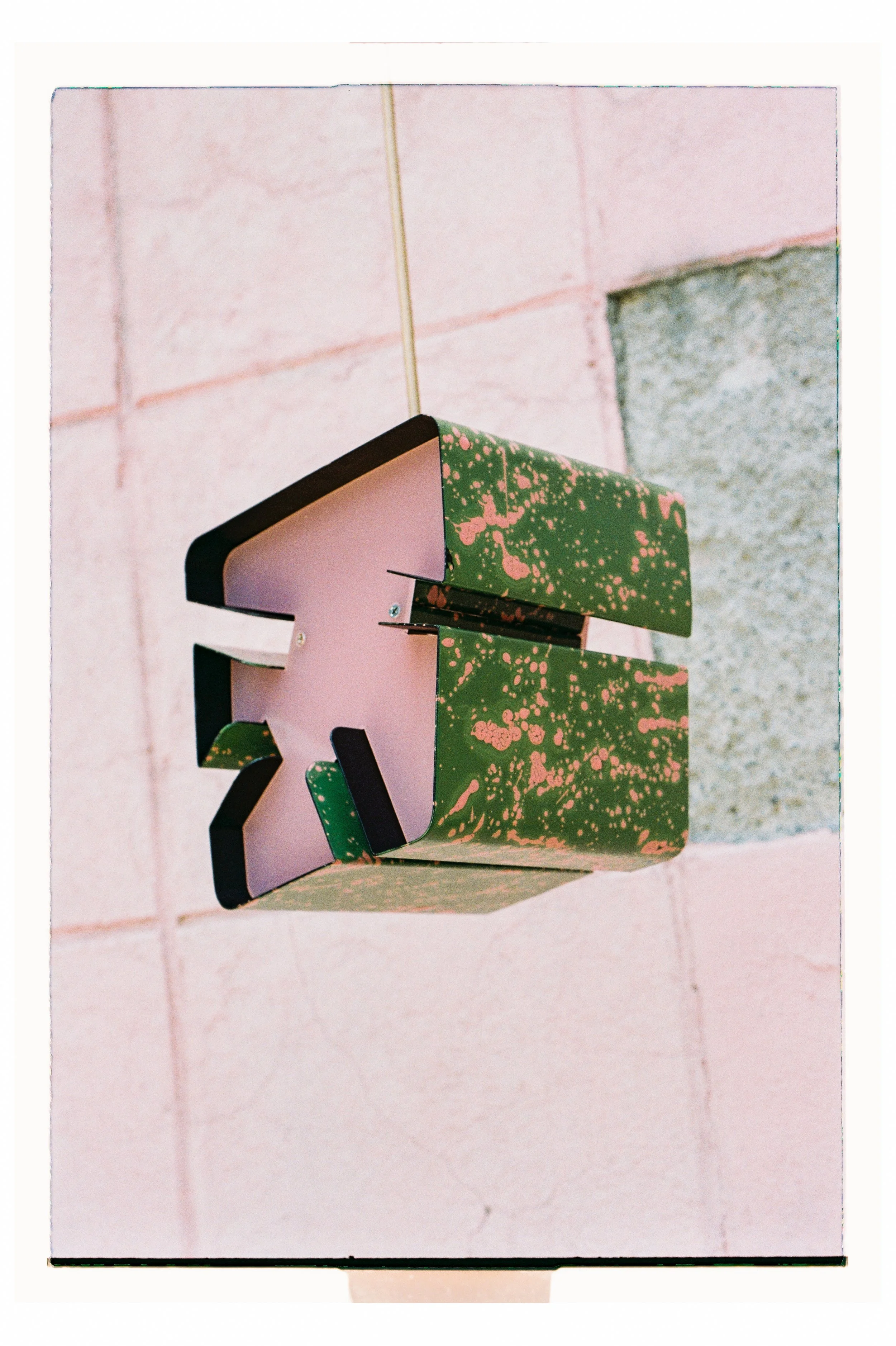
How do you balance experimentation with respect for traditional techniques or artisanal knowledge? Where do you allow yourself to push boundaries — and where do you choose to preserve?
First, we listen, learn, observe. Experimentation always needs to start from a place of respect. We begin by understanding the artisan’s savoir-faire, their techniques, their logic, their deep knowledge and then we gently push from there. It becomes a dialogue rather than an imposition.
Over time, we’ve built close relationships with makers, builders, and artisans. There’s mutual trust: they know we value their time and expertise, and we know they’re open to exploring unfamiliar territory with us. Together we test, tweak, sometimes fail, and occasionally arrive somewhere unexpected and exciting.
We have our core team, but we also introduce new collaborators or materials into each project. This approach keeps the studio’s ecosystem expanding. Recently, we’ve explored terracotta and are developing work with a weaving maestro.
True collaboration takes time: years, not just projects which is why most of our collaborators live and work within Mexico City and nearby regions, allowing for continuous dialogue. Still, I dream of traveling further to engage with crafts across the country, and I’m grateful for new projects that will take us to new places.
How do collaboration and dialogue—whether with artisans, suppliers, or other creatives—shape the final outcome of your work?
Collaboration is really at the heart of what we do. Being an architect or a designer is really like conducting an orchestra: it takes many people, opinions and expertises.
Thanks for reading! Subscribe for free to receive new posts and support my work.
We embrace the idea that ideas don’t move in a straight line from drawing to execution.
Working closely with artisans and fabricators transforms the design trajectory. Details emerge not only from drawings but from the intelligence of the hand, from technical feedback, from shared problem-solving. The project becomes a layered construction of perspectives rather than a singular authorship.
Mexico’s collaborative culture makes this process especially rich.
Time is often invisible to the end customer. How important is slowness, repetition, or patience in your process, and how do you communicate that value?
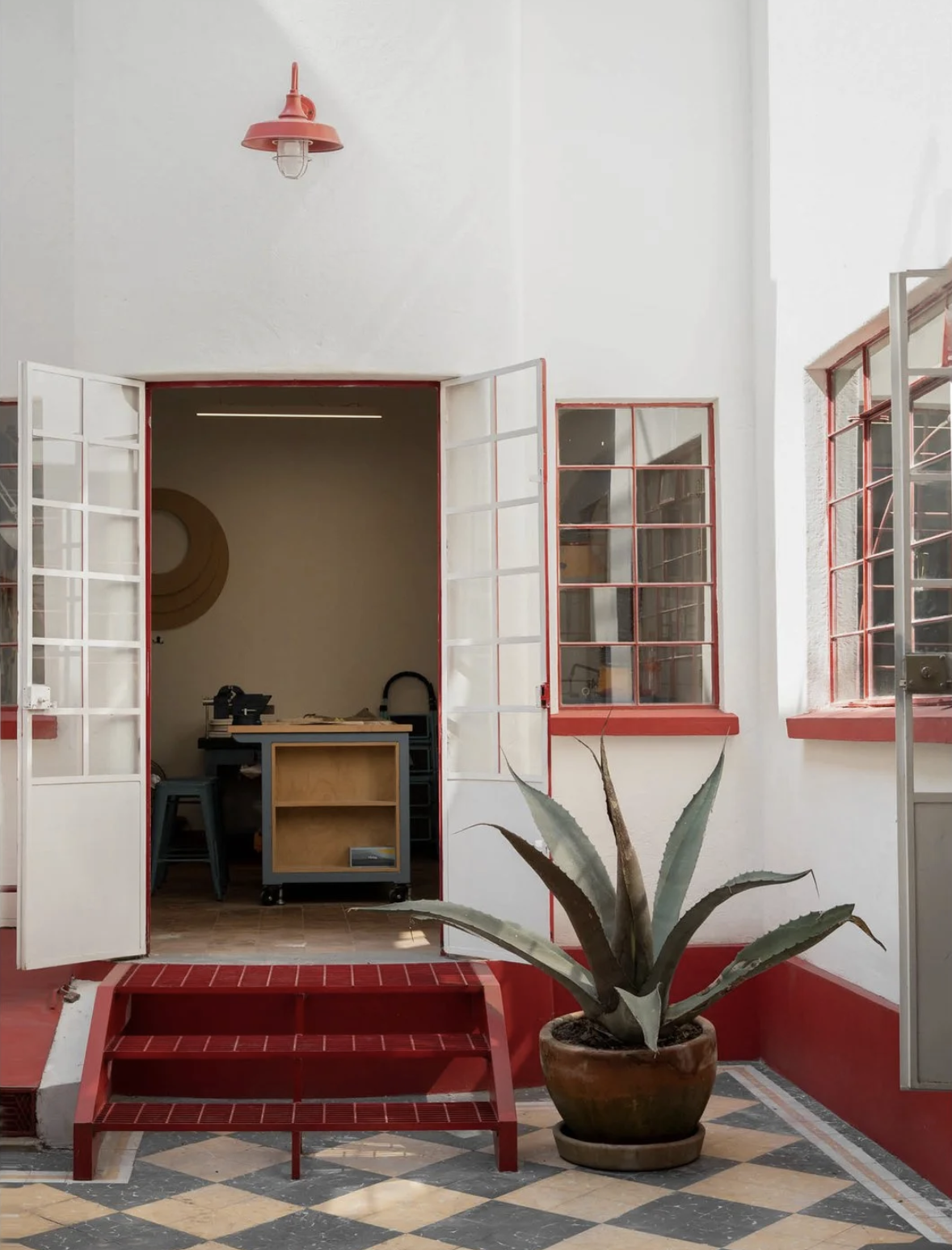
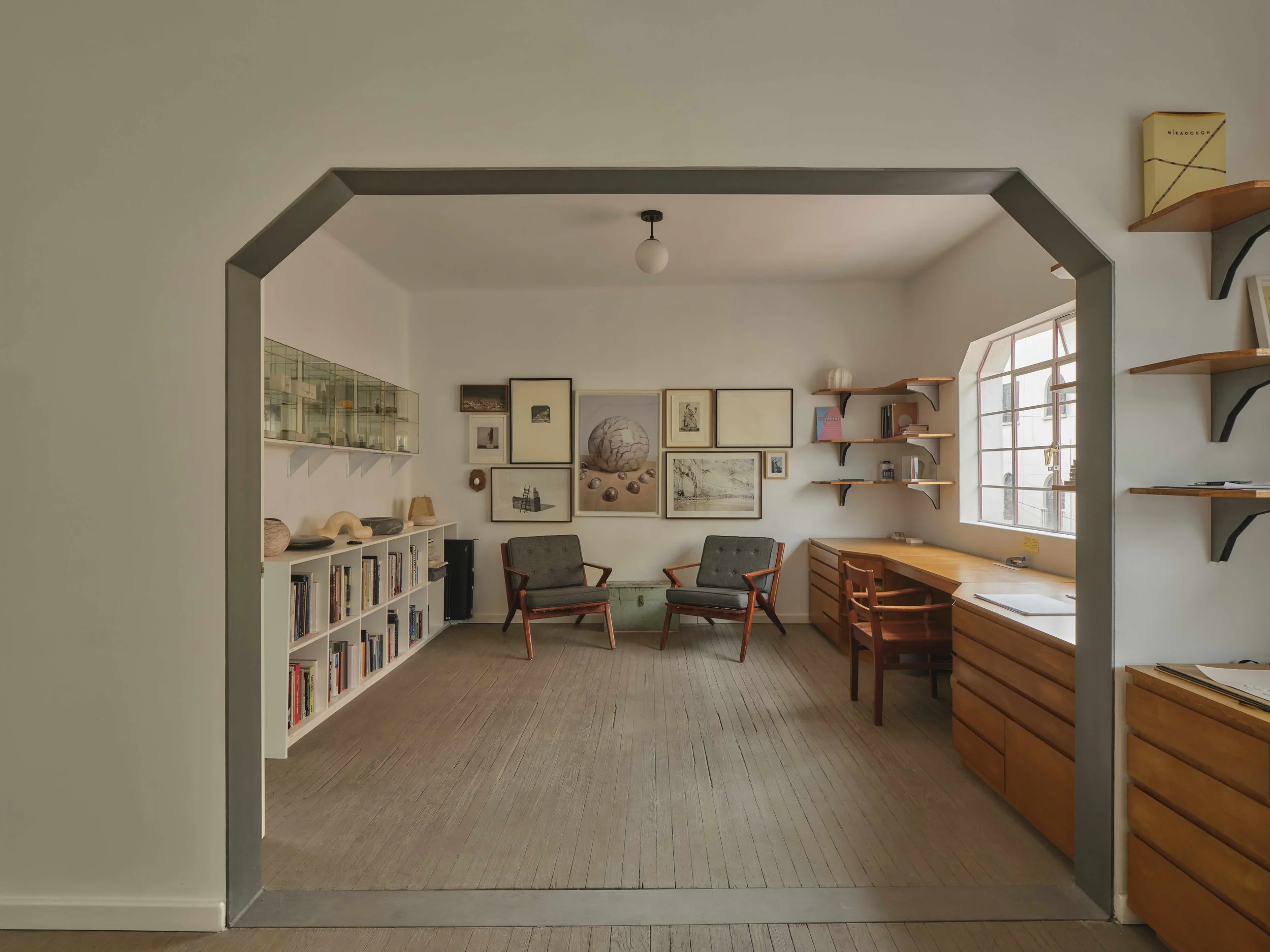
Patience has been one of my greatest lessons here. I’m known for being quite impatient - which can be both a challenge and a strength. We push hard, we stay deeply involved, sometimes very hands-on - if I need to pick up a grinder I will...
But making takes time, especially when working with small workshops and artisans. There’s experimentation, repetition, refinement, there is also personal reality and context. Respecting these timelines is not inefficiency; it is acknowledging the human dimension behind craft.
Communicating this to clients can be extremely challenging in a world conditioned by speed. But I believe time is a form of care - for the process, for the makers, for the outcome. In an era of increasingly automated production and shopping in a click - choosing slowness might become a personal statement and a design position for our studio and a form of respect for the people behind the work.
What do you wish people understood better about Mexican design and contemporary craft today?
Its value - both cultural and economic. The level of intelligence, skill, and innovation embedded in contemporary Mexican design and fabrication deserves greater recognition and fairer pricing globally. There is extraordinary sophistication in these practices.
Where do you find inspiration in Mexico City?
Honestly - Everywhere. I enjoy that this is still a city where “random encounters” happen and the city feels inexhaustible; your sense of discovery never settles.
For anyone who doesn’t know Mexico City, can you recommend us 3 must-go places to experience the culture?
My all time favorite - and the place I keep going back to - is Espacio Escultórico of UNAM. It’s a powerful piece of Land Art by sculptor Federico Silva from 1979.
The second would be La Merced - I spend hours getting lost there. It’s intense, chaotic, vibrant, alive - feels like a compressed universe in a city. It’s a world of inspiration - material and form ideas - for me.
The last one is Pedro Reyes Community library: Tlacuilo Biblioteca. First because you get a glimpse of Pedro’s studio and house which is astonishing. Second, because the book collection is fantastic.
What are you currently exploring?
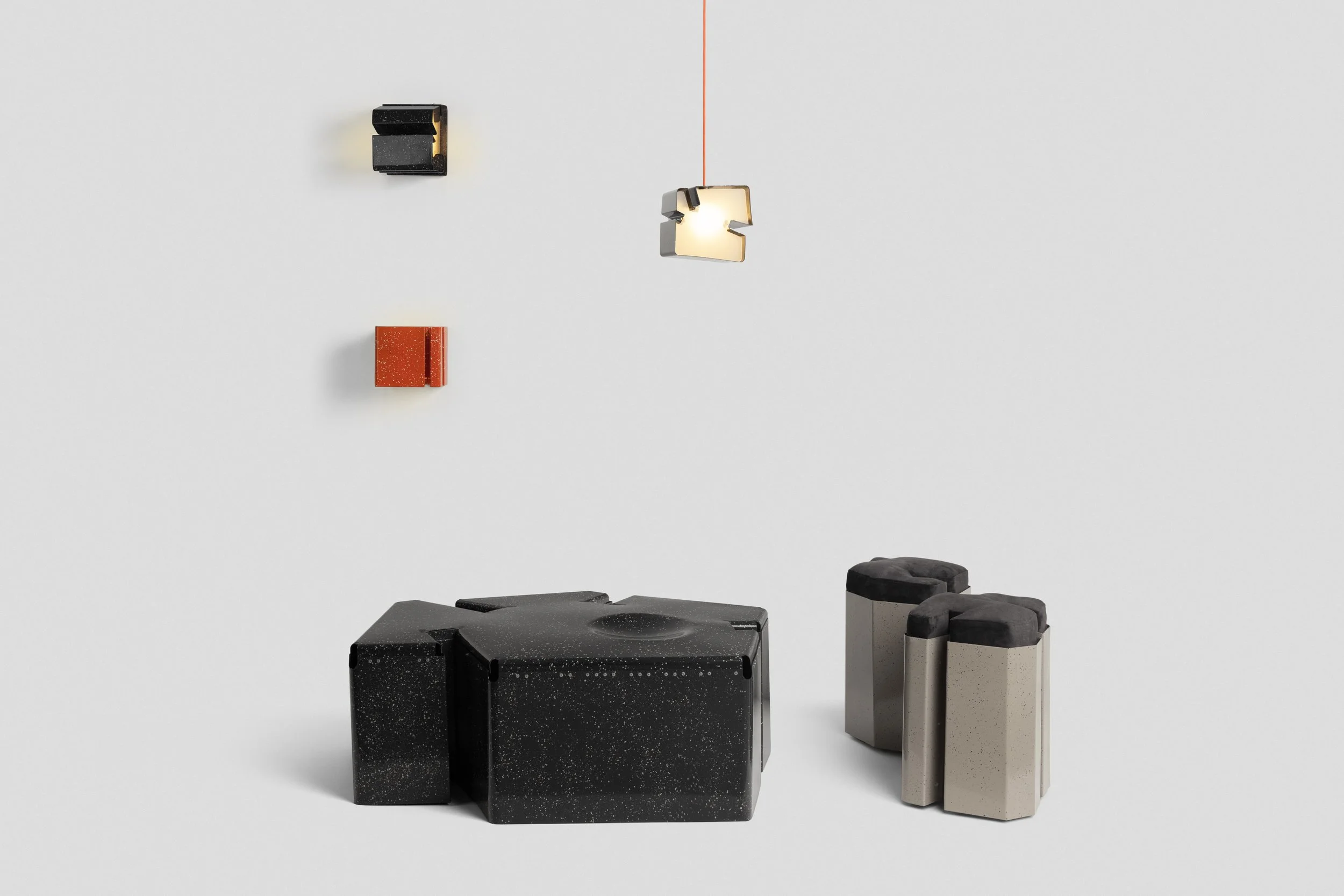
I feel I should say a few words about our work in peltre, which has become something of a signature for Cada since the studio began. Peltre - or vitreous enamel - is a material I’ve always been drawn to. It carries a certain nostalgia for me: in France it feels very “vintage,” while in the U.S. it mostly lives in the outdoor or camping world. So when I arrived in Mexico and saw it everywhere, I was absolutely thrilled.
I spent a long time searching for the right fabricator and eventually found a small factory about three hours outside Mexico City. It’s an extraordinary place - almost cinematic. A team of ten people, many of whom have worked there for years, and who were genuinely excited to experiment with us. Together, we embarked on this journey to reintroduce peltre into the home in a design-driven way, beyond its traditional association with kitchenware.
We began developing furniture and lighting pieces, and our first collection was highly experimental. We were incredibly fortunate to receive the First Prize at Inédito 2024, which gave us both encouragement and visibility. But the journey continues - peltre is a beautiful yet demanding material. From the quality of the steel sheets to bending tolerances to the enameling process itself - where each piece enters an oven at 850 degrees - it is complex, costly, and often unpredictable. Failures are part of the process.
Cada Estudio is thrilled to introduce the vitreous enamel finish (also known as Peltre) into the design & furniture design word. Photos by Cada Estudio and Rodrigo Alvarez.
I remember that when I first started working with peltre, several designer friends told me they had tried and eventually given up because of its unpredictability. Perhaps I should have listened - but I didn’t. I’m stubborn, and that persistence has become part of the story.
Alongside this exploration, we’re grateful to be working on architectural projects in and beyond the city, some custom furniture commissions, industrial design initiatives of our own, and our small home accessories line, which is finally finding its footing in stores.
It can feel like a lot - and yes, many weekends go into it - but these different scales and typologies nourish one another. As a young practice, we embrace a certain elasticity to keep the studio evolving and financially sustainable. I look forward to the day when projects grow in scale or fees become more generous, but for now, it remains a privilege to do this work - whatever it takes to make it thrive.
Discover more of Cada Estudio on cadaestudio.com and Instagram @cada_estudio
